Forts Without the Fear: A Realistic Mobility Plan for Delhi, Agra and Jaipur
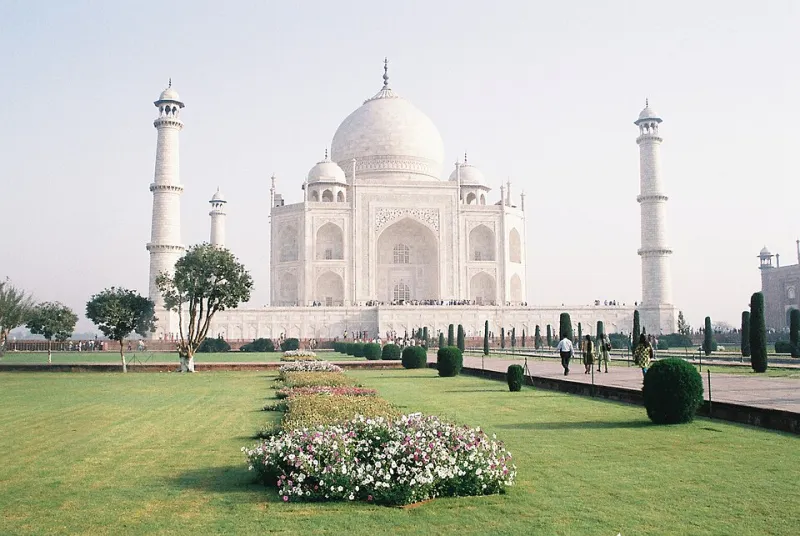
Photo: Sudzie, CC BY-SA 4.0, via Wikimedia Commons
A bad knee does not have to mean a bad trip. But it does mean you should stop pretending you will ‘just take it slowly’ and build a plan that actually protects your joints, your patience and your afternoons. The Golden Triangle is full of steps, uneven stone, sudden heat and long walks from car parks. The good news is that most of it can still be enjoyed if you choose the right gates, the right times and the right shortcuts.
This is not medical advice. It is a practical mobility plan for people who know their limits and want to see Delhi, Agra and Jaipur without turning the holiday into an endurance test.
Start with honesty, not optimism
One big sight per day is enough. Two is ambitious. Three is a mistake. Plan your headline visit for the morning, when the heat is kinder and the queues are shorter. Keep the afternoon light: a garden, a cafe, a hotel pool, a short drive. If you are travelling with someone who walks faster, agree in advance that they can do the extra bits while you sit with a chai.
Book hotels with lifts and ask for a room near the lift. Confirm that the bathroom has a walk-in shower if that matters to you. ‘Ground floor’ in India does not always mean what it means in the UK, so ask specifically.
Delhi: choose your battles
Delhi is huge, and the traffic is part of the experience whether you like it or not. A private car with a driver is not a luxury here; it is a mobility aid. Ask to be dropped as close to the entrance as vehicles are allowed.
Humayun’s Tomb is one of the friendlier big sights: paths, gardens and benches, though the main tomb itself has steps. You can see a great deal from the lower level. India Gate and the surrounding lawns are flat and easy, good for an evening drive-by or a short stroll. Qutub Minar has uneven paths and some steps, but the setting is compact and you can enjoy the view from the quieter edges.
The Red Fort is more demanding than it looks. There are ramps and some accessible routes, but crowds, uneven stone and distances between buildings add up. If you are determined, go early, take a guide who can shorten the route, and be prepared to skip sections. The Lotus Temple involves queues and steps; check the current access arrangements before you commit.
Agra: the Taj and the fort
The Taj Mahal is the big one, and it is more manageable than many people fear. The gardens are flat, there are benches, and the walk from the East Gate parking area can be shortened with the official golf carts. Ask at the gate about wheelchair assistance and the best route. The marble plinth involves steps, so if stairs are a problem, enjoy the view from the gardens rather than forcing the climb. Early morning is cooler, quieter and kinder.
Agra Fort is a different beast. It is vast, with steep ramps, steps and crowded passages. You can see some courtyards and viewpoints without doing the whole circuit, but you will need to be selective. A guide is worth it here, not for facts alone but for navigation. Tell them plainly: ‘Short route, few stairs, benches.’
Fatehpur Sikri is often sold as a must-do. For many travellers with mobility issues, it is the one to skip. The site is spread out, the steps are many and the heat is fierce. If you have dreamed of it for years, go with a car to the top, a guide and a very short list. Otherwise, let it go without guilt.
Jaipur: forts and the old city
Amber Fort is spectacular and steep. The main climb is not for everyone. Jeeps and golf carts can take you part of the way, but the palaces inside still involve steps and narrow passages. You can enjoy the lower courtyards and the views without reaching the top. Be honest with yourself about how much climbing you want.
City Palace in the old city is more manageable, though it still has steps and uneven floors. Hawa Mahal is best enjoyed from the street outside; the interior is narrow stairs and little reward if your knees are complaining. Jantar Mantar is fascinating but uneven underfoot. Nahargarh Fort is largely a car-based viewpoint, which makes it a good low-effort option for a big panorama.
The golf cart question
Yes, pay for it. The official golf carts at the Taj Mahal and at some fort car parks are not an admission of defeat; they are a sensible use of a few hundred rupees. Agree the price before you get on, and use the official queue. The same goes for a jeep at Amber Fort. The walk you save is energy you can spend on the bit you actually came for.
Guides, drivers and the value of a chair
A good guide can cut a two-hour wander down to forty minutes of highlights. Tell them your limits before you start. ‘I cannot do many stairs. I need to sit every twenty minutes. Please show me the short route.’ A private driver can also wait with the car close by, which turns a tiring day into a manageable one.
Do not be shy about asking for a chair. Hotel lobbies, cafes, monument gardens and ticket offices are all fair places to rest. Carry a light scarf or shawl to sit on if the bench is hot or dusty.
Footwear, heat and toilet tactics
Trainers with grip are better than sandals. The stone at forts and monuments is uneven, polished in places and hot in the afternoon. Bring water, a hat and a small packet of tissues. Toilets exist at major sights, but standards vary; hotel cafes and decent restaurants are often the safer bet. Carry hand gel. Plan loo stops before you leave, not when you are desperate.
If you are travelling in the hotter months, treat the middle of the day as downtime. The Golden Triangle is not going anywhere. A siesta is not laziness; it is strategy.
A softer sample itinerary
Day one: arrive Delhi, short evening drive past India Gate, early dinner. Day two: Humayun’s Tomb in the morning, long lunch, rest. Day three: train to Agra, Taj Mahal at sunrise or late afternoon, golf cart both ways. Day four: short Agra Fort visit with a guide, then drive to Jaipur or train, depending on energy. Day five: City Palace and Hawa Mahal from the street, easy afternoon. Day six: Amber Fort with a jeep and lower courtyards only, then a slow lunch. Day seven: fly or train out, with no last-minute monument squeeze.
It is not the fullest itinerary. It is the one you will actually enjoy. And on the Golden Triangle, that is the whole point.