A Hundred Quid a Day in India: Where Your Golden Triangle Budget Actually Goes

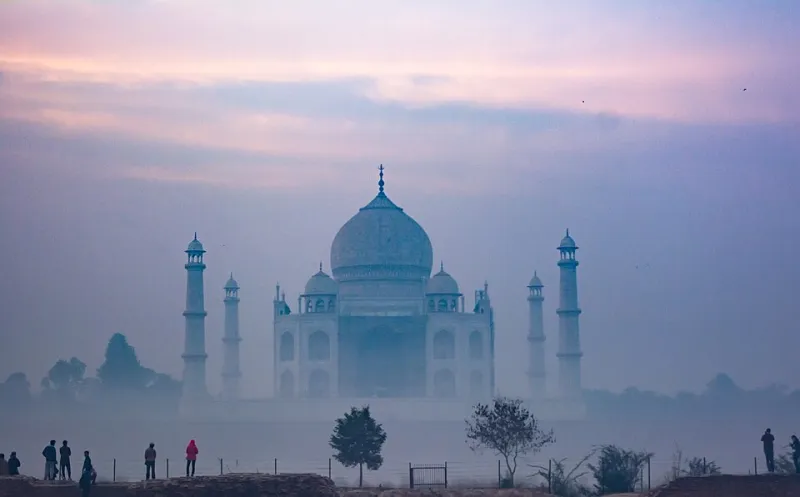
Photo: Milapmadhikar, CC BY-SA 4.0, via Wikimedia Commons
£100 per person per day is the sort of budget that sounds either wildly generous or faintly ridiculous, depending on whether you last priced a London pint or a Jaipur hotel. In the Golden Triangle in 2026, it is neither. It is a genuinely useful middle path: comfortable enough for a three-star room, trains and the odd private car, but not so plush that you can ignore the cost of monument tickets and airport transfers. Think of it as the 'nice trip, no daft spending' tier.
The quick maths: what £100 means in rupees
At a rough ₹110–115 to the pound, £100 is about ₹11,000–11,500 a day. That sounds enormous until you start adding: a Taj Mahal ticket, an AC car from Agra to Jaipur, a hotel that actually has hot water at 6am. The trick is not to chase the cheapest number on every line. It is to protect the things that make the trip work and trim the things that don't.
What a realistic £100 day looks like
Here is a sensible split for one person, sharing a double room and mixing trains with autos:
- Bed: £25–45 for a good budget or three-star double, per person.
- Monument tickets: £12–25.
- Meals: £10–20 for breakfast included, a thali lunch and a proper dinner.
- Local transport: £5–12 for autos, e-rickshaws and the odd metro ride.
- Private driver: £0–20 if you use one for a half-day or share an intercity car.
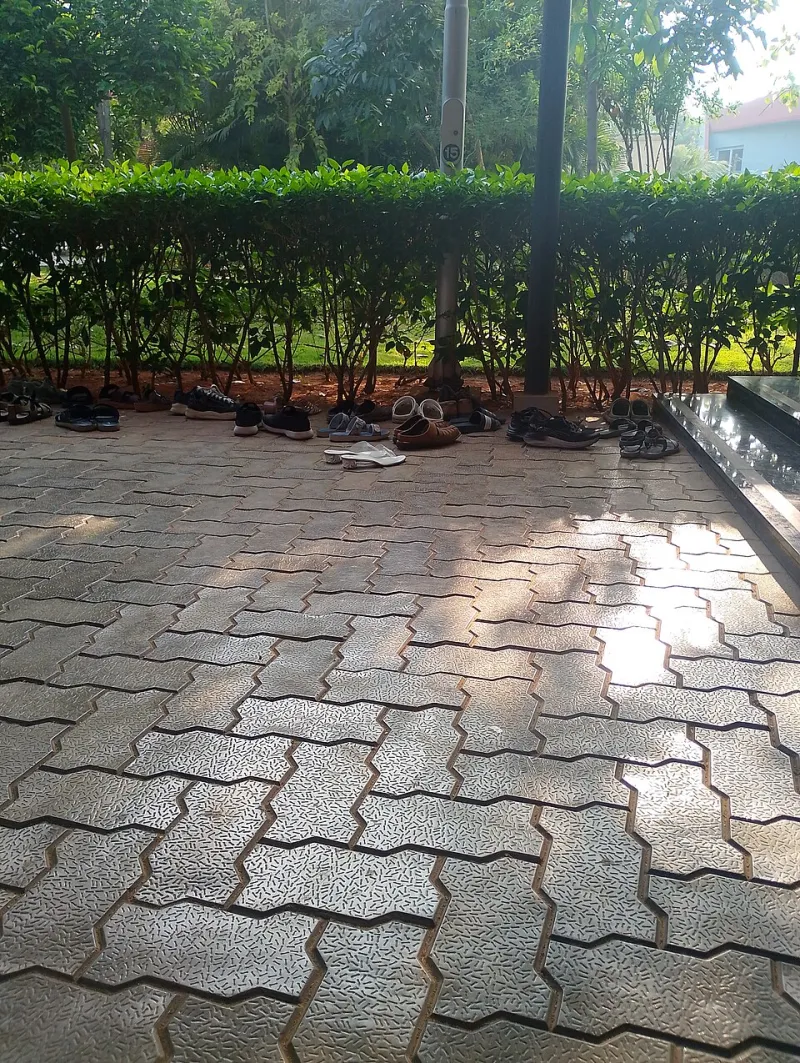
- Tips, water, chai and shoe minders: £6–10.
That lot lands at roughly £58–112. The middle of that range is your friend. The top end only works if you are careful elsewhere; the bottom end usually means you have skipped something important, like a monument ticket or a decent bed.
Where the money goes in each city
Delhi is the cheapest for food and the most tempting for unnecessary transport. The metro is excellent value; an auto from Connaught Place to Humayun's Tomb should cost less than a London bus fare, though you will need to agree the price or insist on the meter. Hotel prices swing wildly: a clean guesthouse in Karol Bagh or a three-star near Aerocity can be £35–55 per person, while a boutique in Lodhi Colony blows the budget in one go.
Agra is a one-monument town in budget terms, which is both a blessing and a trap. The Taj Mahal ticket is the non-negotiable spend; Agra Fort and Mehtab Bagh are worth the extra. Hotels are cheaper than Delhi's, but the good ones near the east gate charge for the convenience. Eat away from the rooftop-with-a-view places if you want to save £15 without trying.
Jaipur is where your £100 stretches furthest — unless you fall in love with a heritage haveli. City Palace, Amber Fort and Jantar Mantar add up, so buy the composite ticket if it suits your plan. Local buses are cheap; autos are easier. A private driver for a full day is around £30–40 for the car, so it only makes sense if you are two or more.
The quietly rising costs of 2026
Monument tickets are the quiet killer. Foreigner entry fees have been climbing steadily, and the add-ons — camera fees, shoe covers, guidebooks, the 'special' viewing platform — are where the extra £10 disappears. Hotel GST and fuel prices push room and driver rates up too. In 2026, assume your driver quotes are higher than the figures in older blog posts, and budget a buffer of £10 a day rather than pretending prices are static.
Saving without wrecking the trip
Take the train between Delhi and Agra or Jaipur. The Gatimaan Express and the Vande Bharat are fast, comfortable and cheaper than a private transfer. Stay near the sights but not on top of them: a 10-minute auto ride can save £20 a night. Eat where the locals queue, because a thali in a busy local place is often better than a tourist-menu curry. Buy water in 2-litre bottles and refill where safe. Use the Delhi metro, which is clean, cheap and bypasses the traffic. And pay for one good guide at the Taj, not a 'guide' who attaches himself at the gate.
Where cutting corners backfires
The cheapest hotel is rarely a saving. If the reviews mention noise, damp or 'helpful' staff who push tours, believe them. A bad night in Delhi is not a bargain. The cheapest driver is often suspiciously cheap because the car stops at shops where commission is paid; you pay in time and pressure. Skipping AC in April–June is not a heroic budget move; it is a dehydration plan. No tips is also a false economy: tips are part of the wage equation for drivers, guides and hotel staff, so budget £5–10 a day and hand it over properly. And an unofficial guide who knows nothing is worse than an audio guide or a good printed guidebook.
UK money notes
Take a card that does not charge a foreign transaction fee, but keep cash for tips, autos and small temple donations. Try to break ₹2,000 notes early; nobody wants to change one for a ₹20 chai. ATMs in Delhi and Jaipur are plentiful; Agra less so. Tell your bank you are travelling, even in 2026, because fraud algorithms still panic.
The verdict
£100 a day is enough for a comfortable, interesting Golden Triangle trip in 2026 — provided you spend on sleep, tickets and a decent meal, and save on transport where it is easy. You will not live like a maharaja. You will not have to live like a student, either. That is probably the right balance.