The Back Seat Pact: What Your Golden Triangle Driver Wants From You
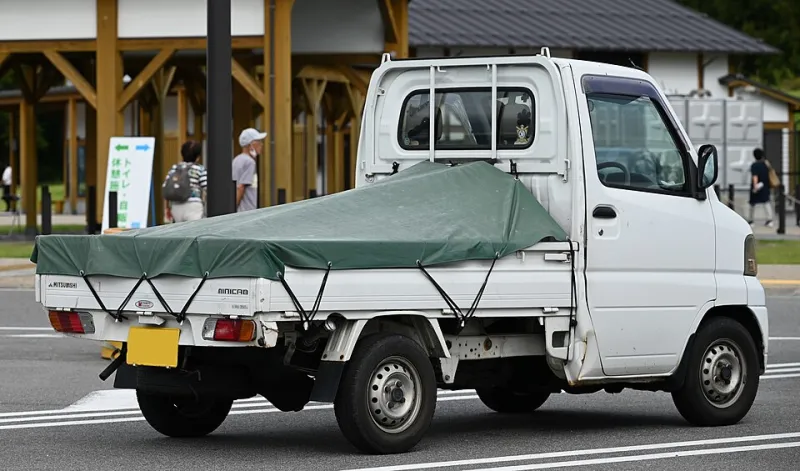
Photo: TTTNIS, CC0, via Wikimedia Commons
Over a week on the Golden Triangle you'll spend somewhere between twelve and eighteen hours in a car with a man whose first name you'll learn on day one and whose children's names you'll know by day three. He is the single biggest factor in whether those hours feel like a holiday or a hostage situation. Here's what he'd like you to know — and what most UK visitors only work out on the final afternoon.
He is a driver, not a guide
This is the big one. A driver gets you there safely, knows the roads, finds the parking, and will happily tell you where to eat. A guide has a licence, a syllabus and a fee. If you've booked only the former, don't expect a running commentary on Mughal architecture — and if you do want one, say so at the booking stage, not at the gate with the tickets already in your hand.
The same goes for shopping. If you ask where to buy a decent pashmina, you'll get an honest answer. If you ask him to take you to a shop, you may end up at one that pays commission. Neither is a crime; knowing which is happening is the trick.
Agree the shape of tomorrow before dinner
Drivers plan their day the night before: fuel, route, where to eat, and when to be home with their own family. If you want a 7.30am start, say so over dinner, not at 7.25 over breakfast. If you'd like to stop at a stepwell that wasn't in the plan, ask — the answer is usually yes, with an adjustment to the rest of the day. What doesn't work is announcing a detour from the back seat at 70kph with the map already open on your phone.
The front seat question
In India, the front passenger seat is a perfectly normal place for a guest, and nobody will be offended whether you sit there or in the back. But a chat in the front seat, even a broken one, does more for the trip than another tip. It's also the best place to ask the questions you'd never ask a guide: what's grown around here, what that building is, whether the lorry ahead is really going to overtake on that bend.
Comfort stops aren't delays
On the Yamuna Expressway between Delhi and Agra there are proper service areas with decent loos, coffee and a strip of shops. Elsewhere, your driver will stop at a place he knows — a dhaba with a clean washroom, a chai stall and a parking attendant he trusts. This is not a scam and it is not lost time. Twenty minutes now saves an hour of misery later, especially with children in the back.
Luggage, boots and the roof rack question
Three cities in seven days means your bags move four times. A sedan will comfortably swallow two large cases plus hand luggage; a family of four needs something Innova-shaped. If a roof rack appears, assume whatever goes up there will arrive dusty, and pack accordingly. Keep passports, medication and anything you'd hate to lose in the cabin with you, not in the boot overnight.
Tolls and the money thing
Most cars now run on FASTag, an automatic toll system, so the windscreen beeps its way through the plazas. You'll usually be quoted an all-in price covering fuel, tolls and the driver's own costs — get that in writing before you set off, and confirm whether parking and state taxes are included. Keep a few small notes for parking attendants. And if anyone at a roadside stop asks you for a 'government tax' in cash, that is not a thing.
The rhythm of an Indian road
In the UK we stay in lanes and treat the horn as an insult. In India, lanes are a suggestion and the horn is a courtesy: 'I'm here, I'm coming past.' Once you stop flinching at every overtake, the choreography is remarkably calm — everyone expects the unexpected, which is precisely why nobody accelerates blindly into it. Your driver is not being reckless; he's reading a road with a different grammar. Let him.
Try not to travel after dark
Not because it's lawless, but because it's harder: unlit lorries, cyclists with no lights, the occasional cow, and tired drivers at the end of long shifts. Plan the big transfers to finish before dusk. If a flight lands late, sleep near the airport rather than pushing on to Agra at midnight — a hotel night costs less than the nerves.
Small courtesies that cost nothing
Learn his name on day one, and use it. Offer him a chai at the stop; he'll probably refuse the first time and accept the second. Share the biscuits. Carry a spare bottle of water for him, not just for you. Ask where he's from and actually listen to the answer. Don't eat a full meal in the back seat while he waits. And ask before you take his photograph.
Children, car seats and carsickness
India doesn't have the car-seat culture we do, so if you need a booster for a smaller child, bring one or arrange it in advance rather than assuming. If anyone in the family turns green on winding roads — and the Jaipur stretch has a few — say so early and ask for the front seat. Drivers are unbothered by the request and deeply unbothered by a plastic bag; they are bothered by finding out too late.
When something goes wrong
Traffic will happen. A road will close for a procession. He will know a way round and it will take longer than you think. Rage at the map, not the man. If the car breaks down, he'll make the calls; your job is to stay calm and keep the children away from the carriageway.
The last ten minutes
The end of a road trip is where people get awkward. Have the fare counted and ready before you arrive, and hand it over at the hotel — not in the road with the bags half out and the porters circling. Then say thank you properly. Twelve hours in a car with someone is a strange, brief intimacy, and a handshake and a genuine thank-you is the right way to finish it.