Masala Isn't a Menu: How to Eat Properly on the Golden Triangle
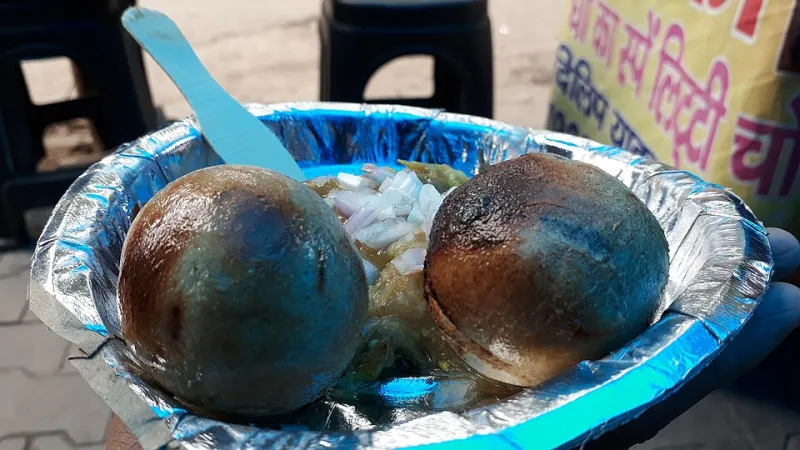
Photo: Pinakpani, CC BY-SA 4.0, via Wikimedia Commons
British Indian restaurant menus have a lot to answer for. They taught us that Indian food means chicken tikka masala, a lake of korma and a naan the size of a cushion. Those dishes are fine. They are also about as representative of Delhi, Agra and Jaipur as a Greggs pasty is of Paris. On the Golden Triangle, the food changes every few hundred kilometres, and the best meals are often the ones that never made it onto a takeaway menu in Birmingham.
What British menus get wrong
Masala is a spice mix, not a dish. Curry is a useful shorthand and a useless order. Most locals do not ask for a generic curry; they ask for a specific dish, a specific bread and a specific chilli level. The Golden Triangle rewards curiosity. It also rewards knowing when to stop eating street food and when to dive in.
Delhi: chaat, kebabs and a proper breakfast
Delhi is a grazer's city. Start with chaat — crisp, tangy, cold-and-hot snacks such as dahi bhalla, aloo chaat and papdi chaat. Try chole bhature for breakfast if you want to understand why Delhiites are so smug about their mornings. Old Delhi is kebab country: seekh kebab, nihari, biryani and parathas. Butter chicken is a Delhi invention with a tangled origin story, and it is worth trying in a proper restaurant rather than a hotel buffet.
Agra: more than the Taj buffet
Agra's food reputation is unfairly dominated by hotel restaurants and the Taj crowds. Look for bedai and jalebi at breakfast, petha for a sweet souvenir and Mughlai dishes in the older parts of town. Agra is not Delhi or Lucknow, so don't expect the same breadth, but a good local Mughlai meal is far more interesting than another international buffet.
Jaipur: Rajputana on a plate
Jaipur is where the food gets properly hearty. Dal baati churma is the headline: baked wheat balls, lentil curry and a sweet crumble that sounds odd and tastes brilliant. Laal maas is the fiery mutton dish for anyone who thinks British balti is spicy. Pyaaz kachori and mirchi vada are the snacks to seek out, and ghewar is the sweet that will ruin other honeycomb desserts for you.
Street-food rules that actually work
Go where the queue is local and moving fast. Fresh, hot food from a busy stall is usually a better bet than lukewarm food from an empty one. Avoid anything that has been sitting around, cut fruit that has been exposed, and drinks with ice from unknown sources. Stick to bottled or filtered water. Carry hand sanitiser and use it. If your stomach is sensitive, ease in: plain dal, rice, roti and curd for the first day, then branch out. And never be embarrassed to ask for less chilli — kam tikha is your new best friend.
Vegetarian and Jain considerations
Vegetarianism is normal, not a niche request. Look for pure veg signs. Jain food avoids onions, garlic and root vegetables, so ask clearly and expect some dishes to be off the menu. If you are vegan, explain what you don't eat rather than relying on the word vegan, which is not always understood. Dal, rice, roti, sabzi and many chaats can work well, but ghee and dairy hide in surprising places.
Dining customs and ordering strategy
Use your right hand for eating. Share dishes if you are in a group. Don't assume beef or pork will be available. Tipping around 10% is reasonable in restaurants. Order less than you think: portions are generous, and breads fill you up fast. If a menu says veg and non-veg, it is telling you exactly what you need to know. And if someone offers you more food, it is usually hospitality, not a challenge.
A short translation list for UK travellers
Thali: a platter of several dishes. Sabzi: vegetable dish. Dal: lentils. Roti: flatbread. Paratha: stuffed or layered flatbread. Chaat: savoury snacks. Tikha: spicy. Kam tikha: less spicy. Raita: yogurt side. Paneer: Indian cheese. Biryani: spiced rice dish. Nihari: slow-cooked meat stew. Ghewar: Jaipur sweet. Petha: Agra sweet. Bill: ask for the bill, not the check.
The honest verdict
Eat the regional stuff. Order the dish you cannot pronounce. Ask the person behind the counter what is good today. The Golden Triangle will not turn you into an expert in a week, but it will make your local takeaway menu look a lot less mysterious — and a lot less interesting.